
← Back to News · 3-minute read
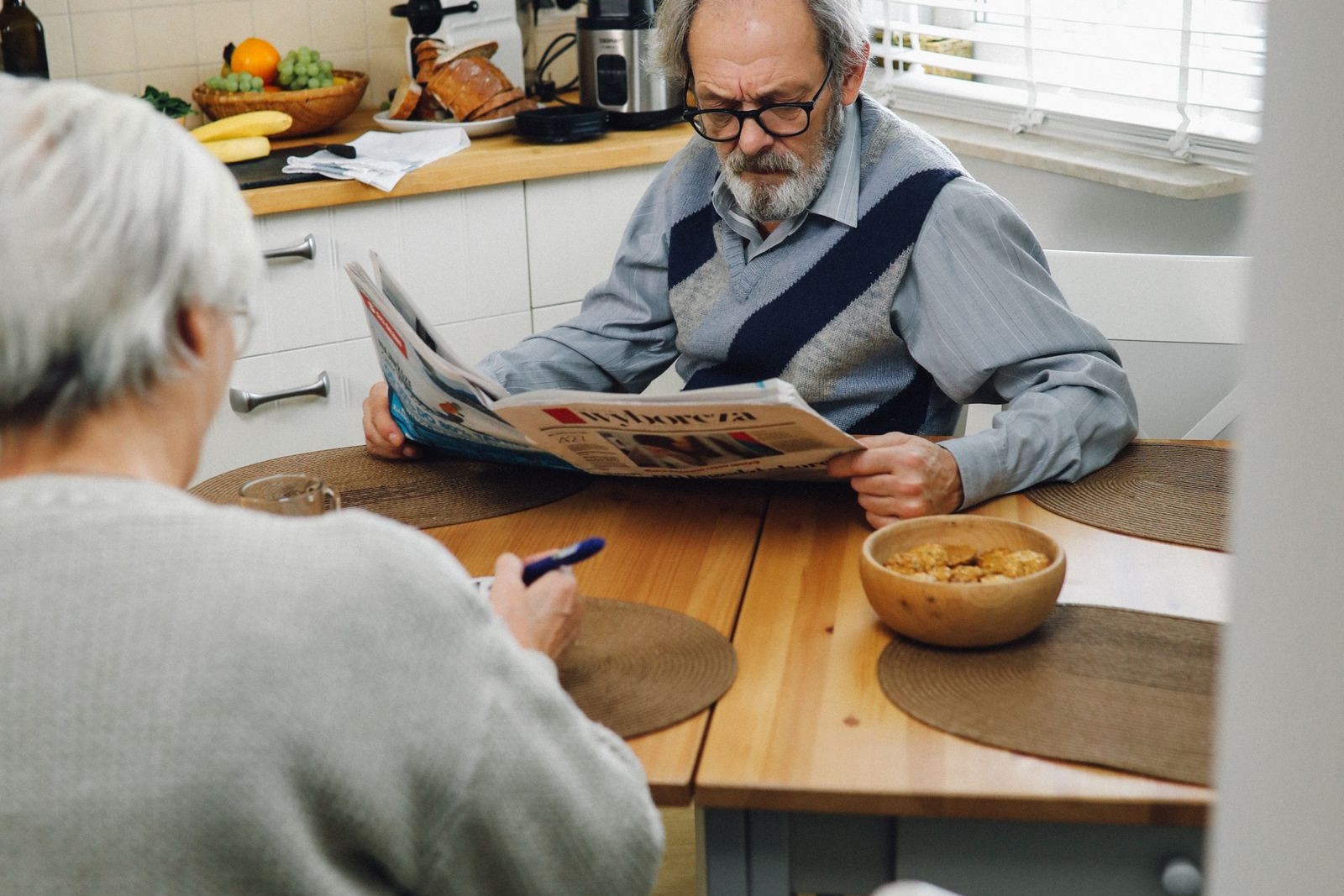
Some days feel long because they have no shape. For an older person living alone, a small routine (the usual coffee, the seven o’clock call, the after-lunch walk) is not one more obligation: it is what gives the day its skeleton.
Activities that give purpose
The US National Institute on Aging (NIA) recommends that older adults take part in activities they find meaningful, the ones that create a sense of purpose: hobbies, volunteering, time with family or friends. According to the NIA, research suggests that older adults with an active lifestyle in this sense say they feel happier and healthier, cope better with difficulties and may maintain their thinking abilities better, although studies cannot guarantee results for every person. Its practical advice is to start with one or two activities and see how you feel: it should be enjoyable, not a source of stress.
The rhythm of the day matters too
A study published in 2024 in JMIR Public Health and Surveillance followed 91,517 UK Biobank participants (United Kingdom), aged 43 to 79, with wrist activity trackers and up to 7.5 years of follow-up. Flatter and more fragmented daily patterns of activity and rest appeared more often before a diagnosis of dementia or mild cognitive impairment. It is an association observed in one specific cohort, not proof of cause and effect or an individual prediction, but it suggests that taking care of the day’s rhythm (regular times, activity by day and rest by night) is part of taking care of health.
Practical ideas to get started
A few practical ideas each family can adapt:
- Anchor the day with two or three fixed moments: breakfast, a call, a walk at the same time.
- Choose activities with meaning for them: looking after plants, helping someone, a neighbourhood group, grandchildren, crafts.
- Start small: one new thing at a time, something they enjoy, and repeat until it becomes a habit.
- Keep the rhythm at night too: regular times for going to bed and getting up.
- Review the routine together from time to time: what works, what has grown old, what they feel like trying.
- If you notice important changes in their mood, sleep or memory, talk to their doctor. This article is for information and does not replace professional care.
At Onorato we are building an artificial intelligence companion that talks and listens, and an app for the family. Onorato keeps company; it does not replace anyone.
Sources, consulted on 26 Oct 2026
- NIA, Participating in Activities You Enjoy As You Age
- JMIR Public Health and Surveillance, Association of Rest-Activity Rhythm and Risk of Developing Dementia or Mild Cognitive Impairment (2024)
Want to see how Onorato keeps people company?
An artificial intelligence companion that talks, listens and entertains, and an app that keeps the family close.