
← Back to News · 3 minute read
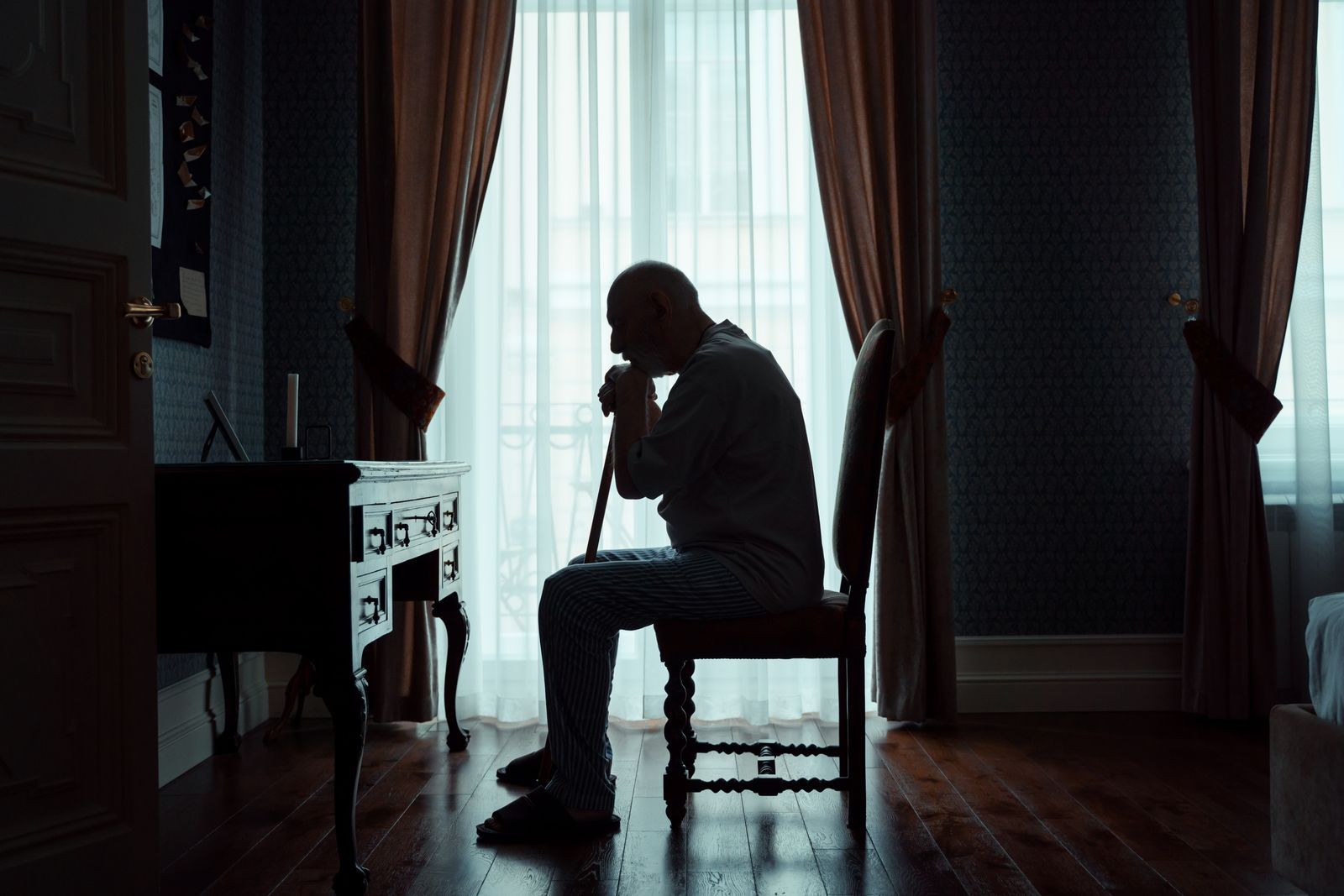
There is a kind of loneliness that nobody chooses. The World Health Organization (WHO) estimates that one in six people worldwide feel lonely, and that around 12% of older people are in that situation. The WHO links loneliness and social isolation in later life to a higher risk of cardiovascular disease, cognitive decline and depression. The WHO itself notes that proving a cause-and-effect relationship is difficult.
In Spain, 43% of people who live alone are older people and, of those older people, seven in ten are women (2018 data from the INE, Spain’s national statistics institute, cited by IMSERSO). Behind every figure there is a different story. Sometimes the children moved away, a partner is gone, or the neighbourhood changed.
Unwanted loneliness does not always show. Some older people do not say they feel lonely: they say they are fine, that they do not want to be a bother. There are signs that can give a family a clue, although none of them is proof: calls getting shorter, less enthusiasm, routines that fade away, an “I used to love it” where there is now “I don’t feel like it”.
What families can do
These are ideas, not a recipe:
- Keep contact short and regular, for example a few minutes every day, on top of the longer calls.
- Ask questions that invite storytelling: what song did you like at my age, what was your first job like?
- Look for an activity that means something to that person: looking after a plant, a book club, a walk with a destination.
- If technology is used, keep it simple and let the person choose it gladly.
Daily company cannot come from the family alone, because families cannot always be there. Today there are tools and resources between the family and other options, from support groups to companion technology.
At Onorato we are working on one of those tools: an artificial intelligence companion that talks, listens and entertains, and an app that keeps the family close. Onorato keeps people company; it does not replace anyone, or professional care.
If you are worried about your father’s or mother’s health, talk to their doctor as well.
Sources, consulted on 20 Oct 2026
- WHO, Reducing social isolation and loneliness among older people
- WHO, Social isolation and loneliness among older people: advocacy brief (2021)
- IMSERSO, La soledad en España (INE data, Encuesta Continua de Hogares 2018)
Want to see how Onorato keeps people company?
An artificial intelligence companion that talks, listens and entertains, and an app that keeps the family close.