
← Back to Onorato Today · 3-minute read
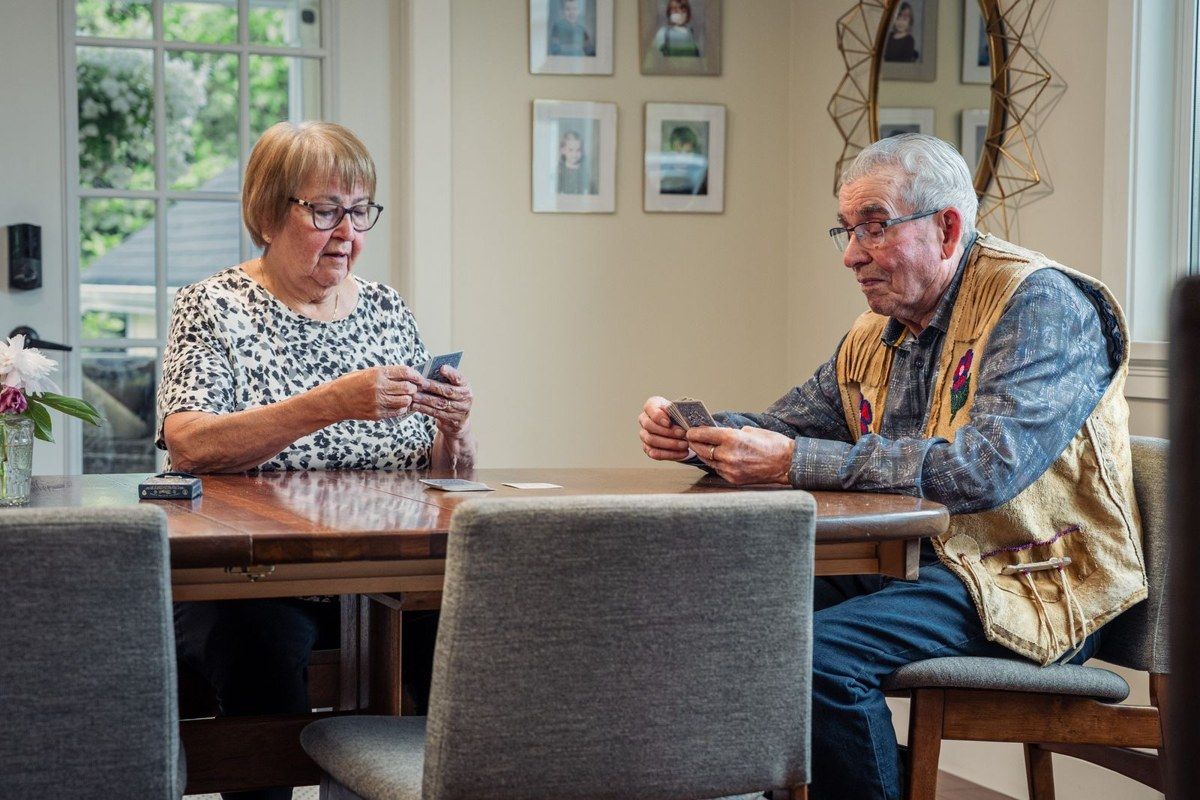
Some gestures can change your day: starting a new book, learning to take photos with the camera they gave you years ago, sitting down for a card game with the neighbours. For an older person, learning something new is no minor pastime: it is also a way of caring for yourself.
Why learning is also a way of caring
In its 2019 guidelines on reducing the risk of cognitive decline and dementia, the World Health Organization estimated around 50 million people living with dementia worldwide and projected that this figure would triple by 2050. These are global estimates made in 2019, not current data or country-specific figures. Faced with this challenge, and in the absence of a curative treatment, the guidelines focus on acting on modifiable lifestyle factors.
What the evidence says: the ACTIVE trial
The US National Institute on Aging (NIA), on its cognitive health page reviewed in June 2024, cites the ACTIVE trial, a large randomized study that followed older adults for ten years: those who received reasoning and processing-speed training showed less decline than the memory and control groups. Another study cited by the NIA found greater memory improvement in older adults who learned digital photography or quilting than in those who only socialized or did less demanding activities. The NIA itself stresses two cautions: the evidence on the lasting cognitive effect of these activities is not yet definitive, and there is not enough evidence that commercial “brain training” games have the same impact as the training in the ACTIVE trial.
Staying connected also counts
In the Health and Retirement Study, a longitudinal study with more than 7,000 participants aged 65 and over, high social engagement (visiting neighbours, volunteering) was associated with better cognitive health in later life. These are associations observed in study groups, not individual guarantees.
Ideas a family can suggest this week
- Learn something new together: photography, a language, a different recipe each week.
- Games with others: cards, chess, dominoes or ludo, better in company.
- Read and discuss: a shared book provides conversation for weeks.
- Workshops in the neighbourhood, the library or the senior centre; there are also groups that meet online.
- Celebrate the process, not the result: the goal is to enjoy learning, not to perform.
This article is for information only and is no substitute for professional care. If changes in memory or concentration are a worry, it is worth discussing them with a doctor.
At Onorato we are building an artificial intelligence companion that talks and listens, and an app for the family. Onorato keeps people company; it does not replace anyone.
Sources, reviewed on October 30, 2026
- WHO (2019), Risk reduction of cognitive decline and dementia: WHO guidelines
- NIA, Cognitive Health and Older Adults
Want to see how Onorato keeps people company?
An artificial intelligence companion that talks, listens and entertains, and an app that keeps the family close.